
Blog
Best Music for Luxury Brand Commercials
The psychology of "quiet luxury" in audio, why generic tracks destroy brand equity, and where to find orchestral compositions worthy of premium campaigns.
Three sounds for a premium brand film
Preview here, compare with your edit, then license the recording once. Your WAV, invoice and licence certificate follow payment.
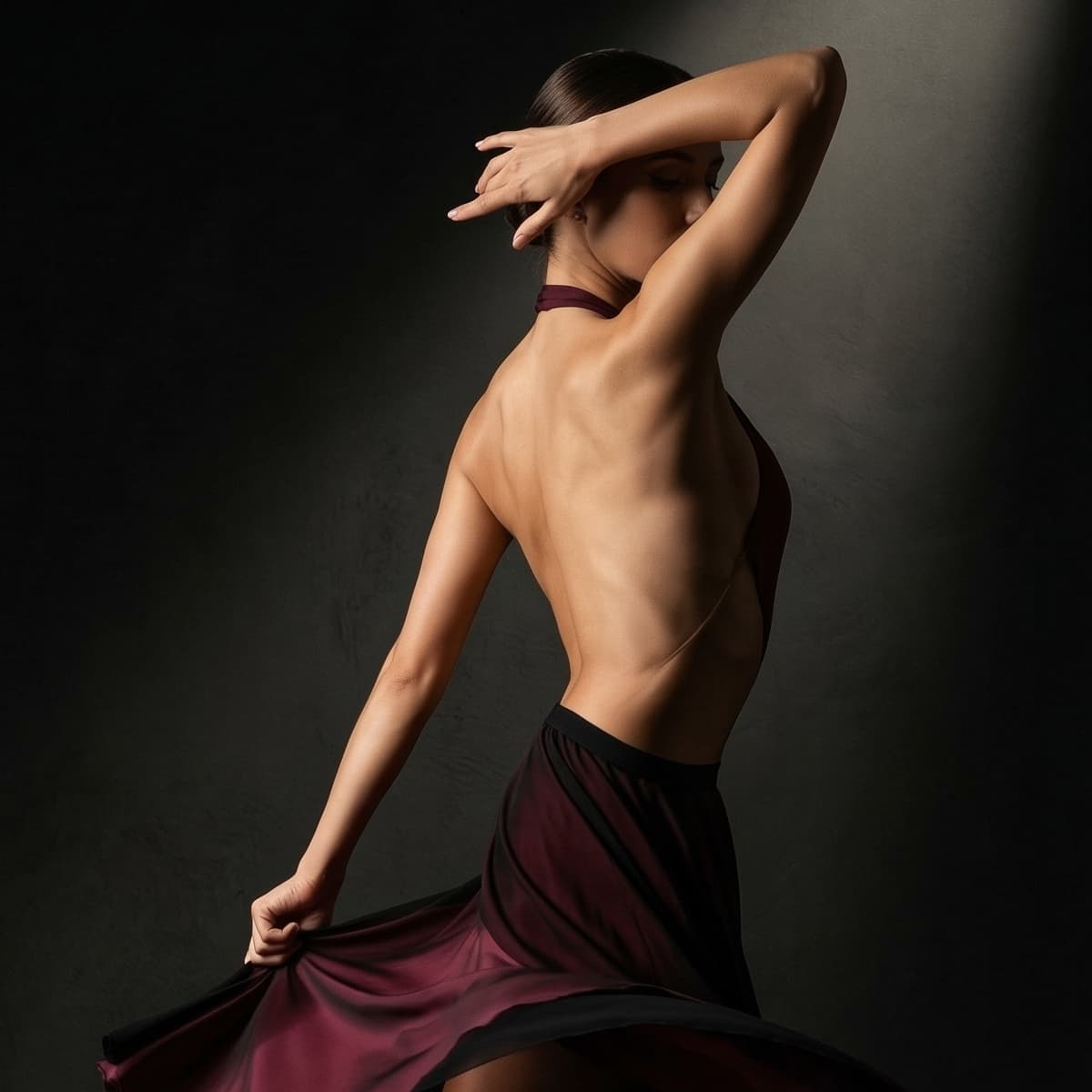
Building momentum for reveals and choreographed movement.
Quiet emotional scenes with room to breathe.
A dignified close for portraits and films.

Use the previews to choose. Check the product page for the licence scope and YouTube details.

How to Choose the Best Music for Luxury Brand Commercials
The psychology of "quiet luxury" in audio, why generic tracks destroy brand equity, and where to find orchestral compositions worthy of premium campaigns.
The best music for luxury brand commercials is never loud. It whispers. It breathes. It leaves space for the product to speak. In an industry saturated with generic stock tracks, the brands that understand this distinction dominate their categories.
When a viewer watches a Chanel commercial, they do not consciously analyze the music. Yet every sonic choice—the restraint of a solo piano, the warmth of live strings recorded in a legendary studio, the deliberate absence of a driving beat—shapes their perception of the brand. This is the invisible architecture of luxury audio.
If you are a creative director working on high-end campaigns, this guide will transform how you source and select music. We will examine the psychology behind premium sonic branding, analyze the audio strategies of the world's most prestigious brands, and provide a framework for choosing tracks that elevate rather than cheapen your creative work.
The Psychology of "Quiet Luxury" in Audio
Luxury brands understand a fundamental truth: restraint signals confidence. This principle, evident in minimalist packaging, subtle logos, and understated retail environments, applies equally to sound.
The term "quiet luxury" has become a defining aesthetic in fashion and lifestyle branding. In audio, it translates to compositions that favor:
- Space over density — room to breathe between notes, allowing the visual narrative to lead
- Organic textures over synthetic — real instruments recorded in acoustic spaces, not MIDI approximations
- Emotional subtlety over obvious manipulation — building feeling through nuance rather than crescendo
- Timelessness over trend — compositions that will age gracefully, not date the campaign within months
"The music in a luxury commercial should feel like an inheritance—something passed down through generations of taste and refinement."
Paul Lorenz, Founder & CEO, ArtyfileResearch in consumer psychology supports this approach. A study published in the Journal of Consumer Research found that "perceptual fluency"—the ease with which sensory information is processed—directly influences perceived quality and willingness to pay premium prices. Music that is cluttered, aggressive, or overly familiar disrupts this fluency. Music that is elegant and unobtrusive enhances it.
Why Generic Upbeat Tracks Destroy Brand Equity
The temptation is understandable. A deadline approaches. The budget is under pressure. A producer suggests a track from a subscription library that sounds "close enough." The creative director signs off. The commercial airs.
Six months later, the same track appears in a competitor's campaign. Or worse: in a low-budget social media ad for an entirely different category. The brand's carefully constructed identity has been diluted by sonic commoditization.
This scenario plays out constantly because the subscription model incentivizes libraries to produce high volumes of broadly appealing music. The result is a homogenization of commercial sound—the audio equivalent of fast fashion.
| Attribute | Generic Stock Track | Premium Orchestral Composition |
|---|---|---|
| Recording Quality | MIDI / Home Studio | Real orchestral recordings (studios like Abbey Road) |
| Exclusivity | Unlimited licenses | Limited / Ownership available |
| Emotional Depth | Surface-level | Nuanced, human performance |
| Brand Risk | High (competitor overlap) | Low (curated library) |
| Longevity | Trend-dependent | Timeless |
For luxury brands, the cost of a premium track is negligible compared to the media spend required to air the commercial. Yet the sonic foundation of that campaign will shape every impression. This is where budget rationalization fails creative excellence.
Case Studies: Sonic Strategies of World-Class Brands
The most effective way to understand premium audio branding is to analyze brands that execute it flawlessly. Below are three case studies from different luxury categories, each demonstrating distinct but equally sophisticated approaches.
FashionChanel
Chanel's audio identity favors solo piano and sparse arrangements. Their iconic campaigns often feature original compositions or carefully licensed classical pieces. The sound is intimate, never bombastic—reflecting the brand's ethos of elegance through simplicity. Music is treated as negative space, allowing visuals of craftsmanship and heritage to dominate.
AutomotiveAudi
Audi balances technological precision with emotional warmth. Their soundtracks often incorporate subtle electronic textures layered beneath orchestral foundations. The result feels contemporary but not cold—innovation grounded in tradition. Notably, Audi commissions exclusive compositions rather than licensing existing tracks, ensuring complete sonic ownership.
WatchesRolex
Rolex commercials are studies in restraint. Music rarely dominates; instead, ambient orchestral swells and textural elements support visuals of precision engineering and natural grandeur. The audio conveys patience and permanence—qualities central to the brand's positioning as a generational investment rather than a fashion purchase.
What unites these brands is a refusal to settle for convenience. Their audio choices are deliberate investments in brand architecture, not afterthoughts addressed in post-production.
The Role of Real Orchestras in Conveying Craftsmanship
There is a reason the world's leading luxury brands gravitate toward orchestral music: orchestras are themselves luxury objects. The London Symphony Orchestra, the Vienna Philharmonic, the Berlin Philharmonic—these ensembles represent centuries of tradition, years of individual mastery, and the irreplaceable human element of live performance.
When a viewer hears strings recorded at Abbey Road Studios, they may not consciously identify the recording space. But they perceive the difference. The room acoustics, the natural imperfections of human timing, the harmonic complexity of real instruments—these elements create an emotional response that synthesized alternatives cannot replicate.
"AI can approximate the notes. It cannot approximate the centuries of human refinement that make an orchestra breathe."
From Artyfile's Recording Sessions, Abbey Road StudiosFor brands built on narratives of heritage, craftsmanship, and authenticity, the provenance of their audio assets matters. A watch brand that celebrates handmade movements cannot credibly soundtrack their campaign with MIDI strings. The dissonance—even if subconscious—undermines the message.
This is why Artyfile's orchestral catalog is recorded by world-class ensembles and musicians at world-class studios like Abbey Road Studios. The audio quality is not merely technical; it is philosophical. It aligns with the values luxury brands communicate.
The Luxury Audio Checklist
Before licensing any track for a premium campaign, verify these five criteria:
- Recording provenance — Where was it recorded? By whom? Can you verify the credentials?
- Exclusivity status — How many other brands can license this identical track?
- Emotional restraint — Does the composition leave space for your visuals, or compete with them?
- Temporal agelessness — Will this track sound dated in two years? Five years?
- Rights clarity — Are worldwide, perpetual sync rights included, or will you face restrictions?
Curated Playlist: "Quiet Luxury" Tracks on Artyfile
For creative directors seeking orchestral compositions suitable for luxury brand campaigns, Artyfile maintains a curated orchestral collection recorded by world-class ensembles at studios like Abbey Road Studios. Each track embodies the principles outlined in this guide: restraint, organic texture, emotional subtlety, and timeless elegance.
♫ Featured Collection: Quiet Luxury
View Licensing Real orchestral recordings Studios like Abbey Road Worldwide Sync Rights IncludedBeyond Licensing: The Ownership Option
Beyond licensing, Artyfile offers a model unique in the industry: fractional ownership of master rights. Through Artyfile Limited Edition, agencies and brands can purchase shares in the music they use, with pro-rata participation in revenue when those tracks are licensed by others or streamed — not guaranteed, and it may be zero.
Elevate Your Next Campaign
Stop settling for generic. Discover orchestral compositions recorded at Abbey Road Studios, pre-cleared for worldwide broadcast, with ownership options unavailable anywhere else.

Paul Lorenz
Founder & CEO, ArtyfileInternationally acclaimed composer and music producer with over 30 years in the industry, collaborating with Universal Music, Sony Music, Warner, and recording at Abbey Road Studios with the London Symphony Orchestra. Over 500 million streams worldwide.
Frequently Asked Questions
What is the best music for luxury brand commercials?
The best music for luxury brand commercials is characterized by restraint, organic textures, and timeless elegance. Premium brands typically use orchestral compositions recorded with renowned ensembles like the London Symphony Orchestra in legendary studios such as Abbey Road. This music favors space over density, subtle emotion over obvious manipulation, and real instruments over synthesized alternatives. Tracks should complement visuals without competing for attention, allowing the brand's craftsmanship and heritage to dominate the narrative.
How much does it cost to license music for a luxury commercial?
Traditional sync licensing for luxury brand commercials ranges from $10,000 to $500,000 or more for popular songs, depending on artist recognition and usage scope. However, production music libraries offer premium alternatives at significantly lower costs. Artyfile, for example, provides orchestral compositions recorded at Abbey Road Studios starting at EUR 29.90 for a Basic license with worldwide, perpetual sync rights included. This makes broadcast-quality music accessible without the complexity of traditional licensing negotiations.
Why do luxury brands avoid stock music?
Luxury brands avoid generic stock music because it undermines brand equity through sonic commoditization. When the same track appears in multiple campaigns across different brands and categories, it dilutes the perception of exclusivity and premium positioning. Additionally, subscription-based stock libraries incentivize volume over quality, resulting in MIDI-heavy, trend-dependent compositions that lack the emotional depth and timeless character required for heritage brand storytelling.
What makes orchestral music suitable for premium advertising?
Orchestral music aligns with luxury brand values because orchestras themselves represent craftsmanship, tradition, and human mastery—qualities central to premium positioning. Live orchestral recordings capture natural room acoustics, human timing variations, and harmonic complexity that synthesized alternatives cannot replicate. For brands built on narratives of heritage and authenticity, the provenance of orchestral recordings (such as Abbey Road Studios with the London Symphony Orchestra) reinforces their messaging at a subconscious level.
Can I own music rights for my brand's commercial?
Yes. Artyfile offers a unique ownership model through Artyfile Limited Edition, allowing agencies and brands to purchase fractional shares in music master rights. When you own shares in a track, you participate pro rata in revenue when that music is streamed or licensed by others — not guaranteed, and it may be zero. The ownership is entered in the Artyfile ownership register and documented by a personal ownership certificate, providing transparent proof of rights allocation.
Ready to Transform Your Sonic Identity?
Join the creative directors who refuse to compromise. Explore orchestral masterpieces recorded for the world's most discerning brands.
Explore Premium MusicRequest Custom CompositionFrequently asked questions
What makes a track feel premium and calm for a luxury brand video?
Live recorded instruments — solo piano, chamber strings, sparse woodwinds — convey craftsmanship through natural acoustic texture. Sparse arrangements with deliberate silence signal confidence far more effectively than busy, upbeat stock beds.
What is the difference between real orchestral recordings and MIDI or AI-generated music for luxury ads?
Real orchestral recordings capture the breath, bow pressure, and room acoustics of live performance. AI and MIDI-only libraries simulate these qualities algorithmically; discerning viewers sense the difference, which can undermine a premium brand's credibility.
What licence do I need to use a track from Artyfile in a luxury brand commercial?
The Basic Licence (€29.90, one-time) grants lifetime worldwide sync rights for your video or ad. You receive a WAV file, an invoice, and a licence certificate — everything needed to clear the track for a professional production.
Will a Content ID claim disrupt my luxury brand campaign on YouTube?
Artyfile tracks are registered in Content ID for rights protection. A claim may appear on your video, but it is never a strike and does not take down your content. For brand-managed channels with specific monetisation requirements, discuss this with your media buyer in advance.