
London Symphony Orchestra · Abbey Road Studios
Royalty-Free Classical Music — Real-Orchestra Recordings
Cinematic classical and orchestral music for video, licensed for commercial use — performed by real orchestras and recorded at world-class studios like Abbey Road Studios, produced to film-score standard, never AI-generated. Score films, trailers, ads and documentaries, then own the licence for a one-time €29.90 — worldwide, for life, with a licence certificate as proof. Or own a share of the master and share in what it earns.
Curated by Paul Lorenz — composer, arranger & conductor · his Violin Concerto No. 2 recorded by the London Symphony Orchestra at Abbey Road Studios · Vienna State Opera
500M+ streams · Gold & Double Platinum · Instant download · Lifetime worldwide license
Classical recordings for your film
Preview here, compare with your edit, then license the recording once. Your WAV, invoice and licence certificate follow payment.
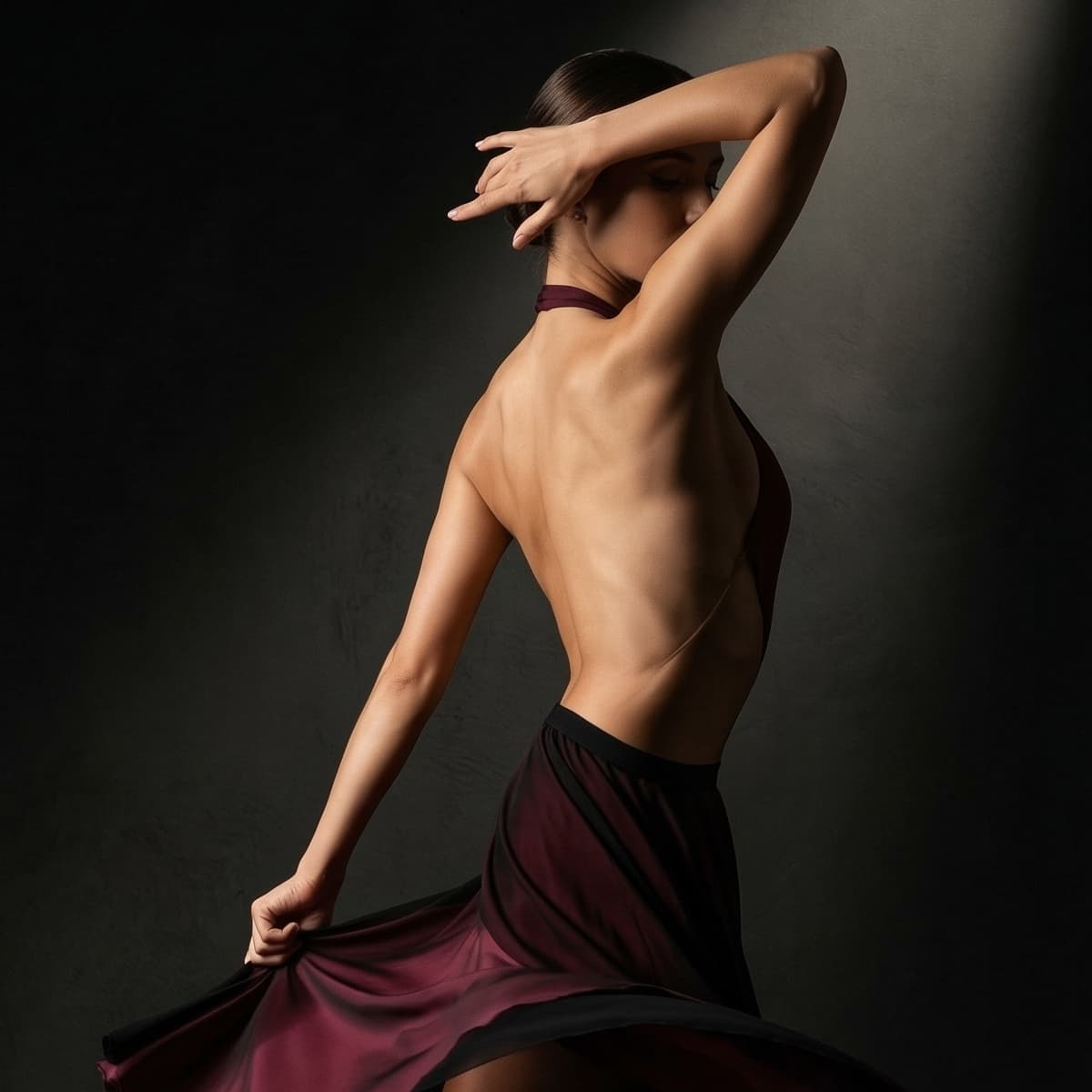
Building momentum for reveals and choreographed movement.
Quiet emotional scenes with room to breathe.
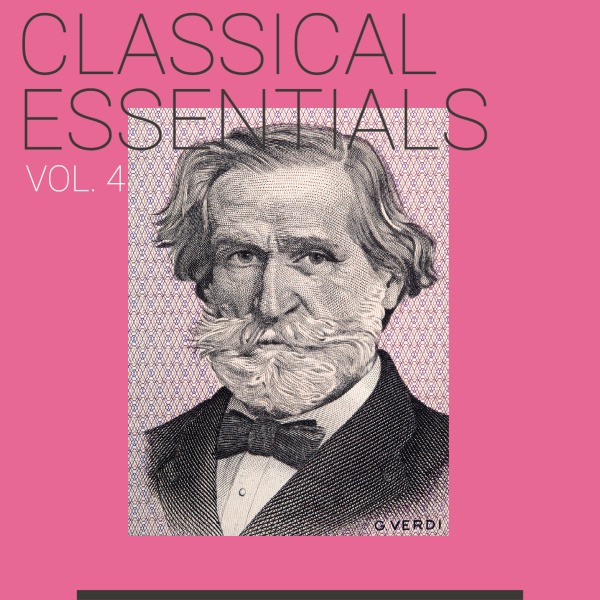
A dignified close for portraits and films.

Use the previews to choose. Check the product page for the licence scope and YouTube details.
Royalty-Free Classical Music — Real-Orchestra Recordings: hand-picked & sync-ready
Listen, then license: €29.90 per track, one-time · worldwide, for life · instant WAV download
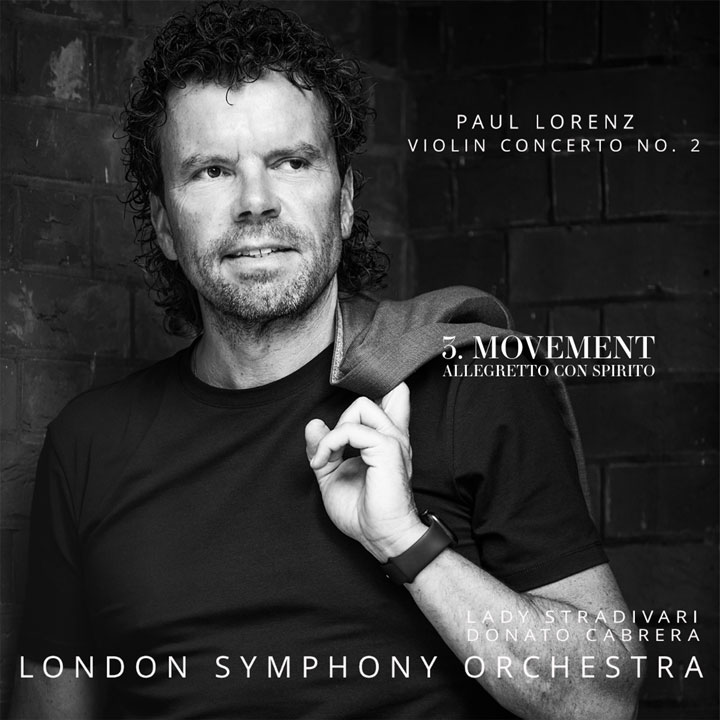
Violin Concerto No. 2: 3. Allegretto con Spirito
London Symphony Orchestra
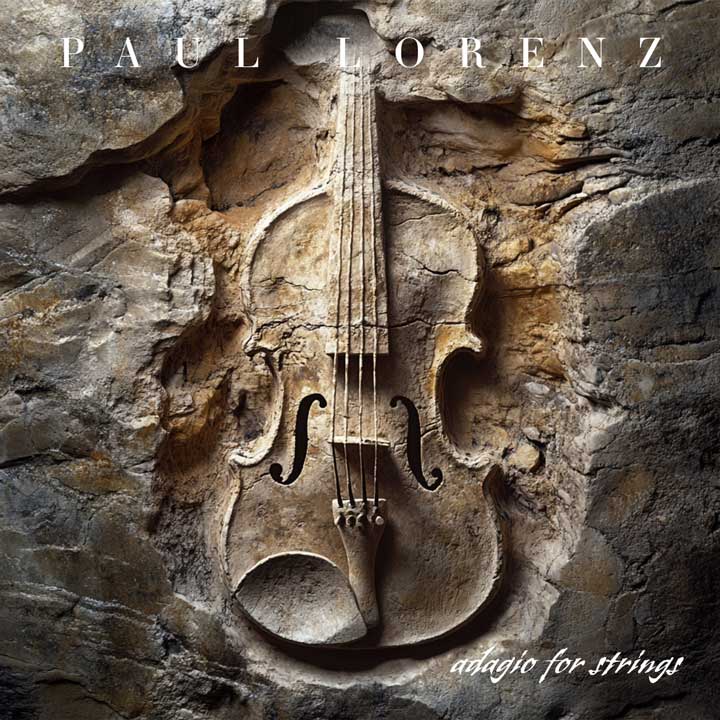

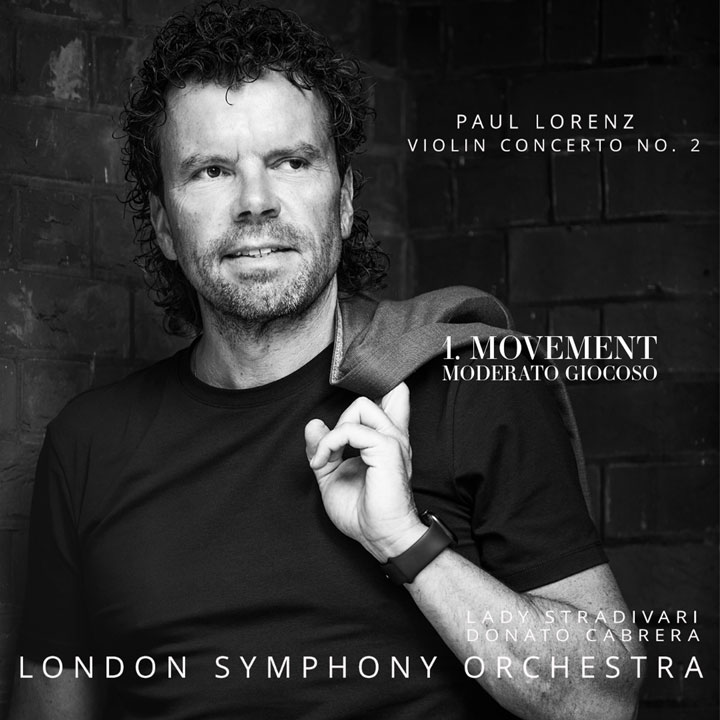
Violin Concerto No. 2: 1. Moderato Giocoso
London Symphony Orchestra

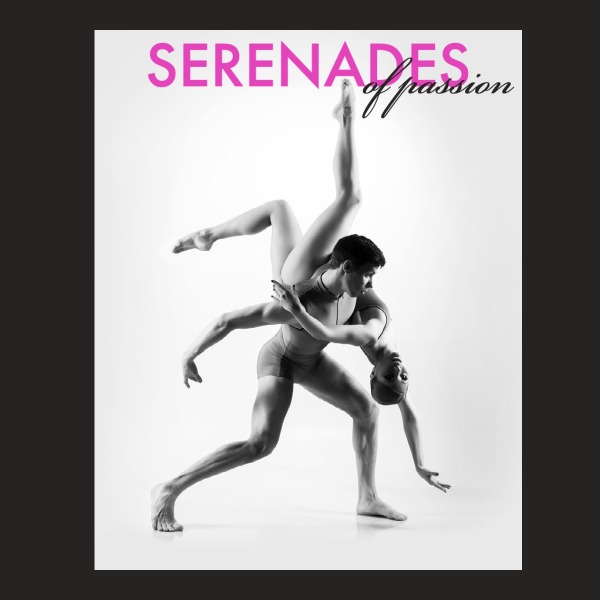

Vivaldi - Four Seasons - Winter (L’Inverno)
Artyfile Orchestra

Orchestral scene matcher · pick your video
What orchestral sound does your scene need?
A real orchestra is a whole palette — an epic trailer build, a tender solo piano, a majestic documentary swell. Pick the scene you’re scoring and we’ll match the mood, the real instrumentation and how to place it, then find the track below.
Trailer / title / launch film
Mood
Epic and building — a slow burn to a huge brass-and-percussion climax
Real instrumentation
Full orchestra, low brass, taiko & percussion, choir, string ostinato
How to place it
Start sparse under the logo, add a rising string ostinato, then land the hit on your title card or product reveal.
Why it works
A real orchestra at full tilt is the sound of scale — it makes a launch feel like an event, not an upload.
The orchestral scoring cheat-sheet
| What are you scoring? | Mood | Real instrumentation | How to place it |
|---|---|---|---|
| Trailer / title / launch film | Epic and building — a slow burn to a huge brass-and-percussion climax | Full orchestra, low brass, taiko & percussion, choir, string ostinato | Start sparse under the logo, add a rising string ostinato, then land the hit on your title card or product reveal. |
| Film scene / narrative underscore | Cinematic and emotional — it moves with the story, never on top of it | Strings, woodwinds, solo piano, French horn | Sit it low under dialogue; let a solo cello or piano carry the turn, then swell the strings on the emotional beat. |
| Documentary / nature / history | Majestic and spacious — reflective, with room to breathe | Sustained strings, solo violin or cello, harp, gentle horns | Hold long sustains under landscape and archival footage; drop to a single solo line for the intimate, human moment. |
| TV / online commercial / ad | Elegant and uplifting — polished, brand-safe, memorable | Warm strings, light orchestra, piano, subtle percussion | Build gently toward the product moment and land a clean cadence on the logo or pack shot. |
| Corporate / brand / image film | Refined and confident — forward-moving, premium, never cheesy | Measured orchestra, piano and strings, light rhythmic pulse | Run a steady, optimistic bed under narration and interviews; lift the orchestration for the vision or results section. |
| Wedding / love story / emotional milestone | Romantic and tender — timeless, intimate, unhurried | Solo piano, string quartet or section, solo violin, adagio strings | Lay a gentle piano or adagio under the vows and slow-motion; swell the strings for the first dance or the reveal. |
| Luxury / prestige / fashion | Sophisticated and opulent — restrained, expensive-sounding, poised | Chamber strings, harp, solo piano, refined woodwinds | Keep it sparse and elegant under slow, deliberate visuals; let space and a single line do the work. |
Is classical music royalty-free?
Not the way most people assume. A 200-year-old composition by Mozart, Bach or Beethoven is public domain — but every modern recording of it is a separate, fully protected copyright owned by the performers and their label. Download a “free” classical MP3 from the wrong place and a third party’s Content ID can still claim your video. To use classical music safely in a commercial project you need a licence that clears both the composition and the specific recording. Artyfile owns its recordings and administers the rights directly, so one licence clears both — sync and master together, worldwide and for life.
Public-domain works vs. licensed recordings
Two different rights sit in every classical track. The work — the composition — is public domain once its composer has been dead for more than 70 years (the rule in the EU and UK), which covers almost the entire classical canon from Bach to Tchaikovsky. The recording is a new protected work every time an orchestra performs the piece: the performers and the producer hold rights in that specific recording, independently of the age of the music. So “Beethoven is free” is true for the notes, never for somebody else's recording of them. “Free” classical recordings online are often registered in YouTube Content ID by a label or distributor and can be claimed after you publish. With Artyfile you license the recording itself — €29.90 once, worldwide and for life, with a licence certificate documenting the rights. Artyfile registers its own recordings in Content ID with a monetization policy: a claim may appear, but it is not a copyright strike.
Can I use classical music on YouTube and in commercials?
Yes — when the recording is licensed. Artyfile’s tracks are registered in YouTube Content ID with a monetize policy, so a claim may appear — but it is not a copyright strike: your video stays online and your channel stays safe. With Basic, ad revenue claimed for the music goes to Artyfile, not to your channel. YouTube Shorts follow the same claim logic — since 24 September 2026, Shorts of one to three minutes with an active claim are no longer blocked automatically. That makes them safe for monetised YouTube, TV and streaming commercials, paid ad campaigns, film festivals and client work alike. The table above shows exactly what each source clears, and where “free” and subscription tracks break.
A real orchestra, produced like a film score
Artyfile's orchestral catalog is recorded by world-class ensembles and musicians at world-class studios like Abbey Road Studios, curated by composer and conductor Paul Lorenz (30 years, 500M+ streams), who has worked with the London Symphony Orchestra — the LSO recorded his Violin Concerto No. 2 at Abbey Road. They are made the way modern film scores are made: a real orchestra in a real room, finished with professional studio craft. That is the depth and humanity you can hear — real strings, real brass, a real room — that AI-generated music and MIDI-only libraries cannot fake. For trailers, films, documentaries, luxury brands and emotional storytelling, a genuine orchestral performance is what separates a professional edit from a templated one. For pure trailer and epic cinematic cues, see also our cinematic & epic film music; to score a film end to end, music for film.
What it costs — buy once, own the licence
Artyfile Basic is a one-time €29.90 per track: a lifetime, worldwide synchronization and master-use licence for film, advertising, social media, broadcast and streaming. No subscription, no per-project fees, no renewals. Subscription libraries clear you only while you keep paying, and a single broadcast cue from a traditional library or sync house often runs €95–160 or far more — Artyfile’s flat one-time licence undercuts them and is yours to keep. You download the file instantly as a studio-grade 44.1 kHz WAV, with an invoice and a licence certificate as documented proof of your rights. See full pricing & licences.
License it — or own it and earn
Stock libraries only rent you music. Artyfile lets you go further: with a Limited Edition (€69.90 per 1% master share) you own 1–10% of a master, entered as a numbered share in Artyfile’s ownership register, and share in its worldwide streaming, Content ID and sync revenue — not guaranteed and may be zero. Use the music safely, or own a piece of it — no other classical or orchestral library offers both.
Can you use it? Classical & orchestral video music, by where it runs
A film, ad or documentary is commercial content, so the music has to be cleared for exactly that — on every screen it reaches. Here is where each source actually covers you, and where it breaks. (Remember: the old composition may be public domain, but the recording you hear is a separate copyright.)
| How you use it | “Free” / public-domain MP3 | Subscription library | Licensing a famous recording | Artyfile — real orchestra, buy once |
|---|---|---|---|---|
| A monetized YouTube film, documentary or channel | A “free” classical MP3 is a recording someone else owns — it can still draw a third-party Content-ID claim, hand your ad revenue to a label, or get the video muted. | Cleared while you pay — cancel the subscription and new uploads lose their cover; the licence was never yours. | Licensing a named orchestra’s recording means a label + publisher clearance: weeks of negotiation and four- to five-figure fees, if they reply at all. | Cleared. A monetize claim may appear, but your video is subject to YouTube Content ID rules — sync + master handled directly, €29.90 once. |
| A broadcast TV or streaming (VOD) commercial or film | Broadcast needs documented rights a “free” download can’t give you — a stray Content-ID claim on air is a real liability. | Most cheap tiers exclude broadcast; you’re pushed to a costly business tier — and only while you keep paying. | A per-use sync fee negotiated per territory and term — the reason one broadcast cue runs four figures; EU libraries charge €95–160 for the same broadcast use. | One flat €29.90 buyout covers worldwide broadcast and streaming in perpetuity — 2–5× under the mid-tier broadcast rates, with a licence certificate as proof. |
| A paid social or boosted ad campaign | Rarely cleared for paid or branded use — the moment ad spend goes behind it, the risk is yours. | Needs a commercial/business tier; the cheaper creator plans exclude ads. | A separate advertising licence, quoted per campaign — the highest-fee use of all. | Full commercial and advertising use included from €29.90 — cleared for boosted and paid campaigns worldwide. |
| A film festival, theatrical or distributed release (E&O) | Breaks a festival or broadcaster’s chain-of-title / E&O review — undocumented rights fail the paperwork. | Subscription receipts rarely satisfy an E&O insurer, and some plans exclude theatrical outright. | Does satisfy E&O — but only after a full sync + master clearance with signed licences for every recording. | Sync + master cleared together with a documented licence certificate — the paperwork a festival, distributor or E&O insurer actually asks for. |
| An agency or videographer delivering to clients | Usually excludes client work and redistribution entirely. | The cheap Social / Creator tiers exclude client work — you’re pushed to Pro or Enterprise. | Each client production needs its own negotiated licence — unworkable at any volume. | Covers your own and your clients’ productions worldwide, with single-source documented rights — deliver with the certificate. |
One Artyfile licence clears every row — worldwide, for life, from €29.90 — sync and master cleared together, performed by real orchestras (including the London Symphony Orchestra at Abbey Road) rather than AI or a MIDI-only library, with a licence certificate as documented proof. Own a share of the master with a Limited Edition (from €69.90) and earn from it too.
The canon: the classical standards the sync world runs on
These are the public-domain works you hear in trailers, weddings, brand films and documentaries every day. The composition is free for everyone — the recording never is. Every title below is a real Artyfile recording with lifetime worldwide sync rights from €29.90, documented with a licence certificate.
Weddings & love scenes
- Pachelbel Canon in D — Johann Pachelbel (†1706) · version 2
- Wagner Bridal Chorus — Richard Wagner (†1883)
- Elgar Salut d'Amour — Edward Elgar (†1934)
- Handel Arrival of the Queen of Sheba — Georg Friedrich Händel (†1759)
- Vivaldi Gloria — Antonio Vivaldi (†1741)
- Mendelssohn Wedding March — Felix Mendelssohn Bartholdy (†1847)
- Mozart Ave verum corpus — Wolfgang Amadeus Mozart (†1791)
- Handel Ombra mai fu — Georg Friedrich Händel (†1759) · version 2
Trailers & drama
- Ravel Bolero — Maurice Ravel (†1937)
- Also sprach Zarathustra — Richard Strauss (†1949)
- In the Hall of the Mountain King — Edvard Grieg (†1907)
- Night on Bald Mountain — Modest Mussorgsky (†1881)
- The Great Gate of Kiev — Modest Mussorgsky (†1881)
- William Tell Overture — Gioachino Rossini (†1868)
- Verdi Triumphal March — Giuseppe Verdi (†1901)
- Wagner Liebestod — Richard Wagner (†1883)
- Bach Toccata and Fugue — Johann Sebastian Bach (†1750)
- Mahler Symphony No. 2 Resurrection — Gustav Mahler (†1911) · version 2 · version 3
- Mahler Symphony No. 3 — Gustav Mahler (†1911)
- Mussorgsky Pictures at an Exhibition — Modest Mussorgsky (†1881) · version 2
- Mussorgsky Pictures at an Exhibition — The Old Castle — Modest Mussorgsky (†1881) · version 2 · version 3 · version 4
- Mussorgsky Baba Yaga (The Hut on Fowl’s Legs) — Modest Mussorgsky (†1881) · version 2 · version 3 · version 4 · version 5
- Schubert Death and the Maiden — Franz Schubert (†1828)
- Tchaikovsky Piano Concerto No. 1 — Pyotr Ilyich Tchaikovsky (†1893) · version 2
- Tchaikovsky Romeo and Juliet — Pyotr Ilyich Tchaikovsky (†1893)
- Tchaikovsky Symphony No. 4 — Pyotr Ilyich Tchaikovsky (†1893)
- Saint-Saëns Piano Concerto No. 2 — Camille Saint-Saëns (†1921)
- Bruckner Symphony No. 4 Romantic — Anton Bruckner (†1896)
- Bruckner Symphony No. 8 — Anton Bruckner (†1896)
- Wagner Flying Dutchman Overture — Richard Wagner (†1883)
- Wagner Ring des Nibelungen — Richard Wagner (†1883) · version 2
- Beethoven Eroica — Ludwig van Beethoven (†1827)
- Grieg Piano Concerto — Edvard Grieg (†1907)
Luxury & brand films
- Bach Air on the G String — Johann Sebastian Bach (†1750)
- Vivaldi Four Seasons — Antonio Vivaldi (†1741) · version 2 · version 3
- Handel Water Music — Georg Friedrich Händel (†1759)
- Grieg Holberg Suite — Edvard Grieg (†1907) · version 2 · version 3 · version 4
- Flower Duet Lakme — Léo Delibes (†1891) · version 2
- O mio babbino caro — Giacomo Puccini (†1924) · version 2
- Carmen Habanera — Georges Bizet (†1875)
- Offenbach Barcarolle — Jacques Offenbach (†1880) · version 2
- Puccini Quando m’en vo — Giacomo Puccini (†1924)
- Tchaikovsky Serenade for Strings — Pyotr Ilyich Tchaikovsky (†1893) · version 2
- Tchaikovsky Rococo Variations — Pyotr Ilyich Tchaikovsky (†1893)
- Bach Violin Concerto in E major — Johann Sebastian Bach (†1750)
Documentaries & memorials
- Grieg Morning Mood — Edvard Grieg (†1907)
- Grieg Aase's Death — Edvard Grieg (†1907)
- Elgar Nimrod — Edward Elgar (†1934)
- Dvorak New World Symphony — Antonín Dvořák (†1904)
- Rimsky-Korsakov Scheherazade — Nikolai Rimsky-Korsakov (†1908)
- Bach Brandenburg Concertos — Johann Sebastian Bach (†1750) · version 2 · version 3 · version 4 · version 5
- Mozart Symphony No. 40 — Wolfgang Amadeus Mozart (†1791)
- Lascia ch'io pianga — Georg Friedrich Händel (†1759) · version 2
- Allegri Miserere — Gregorio Allegri (†1652)
- Chopin Funeral March — Frédéric Chopin (†1849)
- Amazing Grace — Traditional
- Mahler Adagietto — Gustav Mahler (†1911)
- Verdi Va pensiero — Giuseppe Verdi (†1901)
- Brahms Symphony No. 3 — Johannes Brahms (†1897)
- Grieg Last Spring — Edvard Grieg (†1907)
- Ravel The Fairy Garden — Maurice Ravel (†1937)
- Palestrina Alma Redemptoris Mater — Giovanni Pierluigi da Palestrina (†1594)
- Josquin Mille regretz — Josquin des Prez (†1521)
Calm, focus & reflection
- Debussy Clair de Lune — Claude Debussy (†1918)
- Debussy Syrinx — Claude Debussy (†1918)
- Moonlight Sonata — Ludwig van Beethoven (†1827)
- Für Elise — Ludwig van Beethoven (†1827)
- Beethoven Pathetique — Ludwig van Beethoven (†1827) · version 2 · version 3
- Schumann Träumerei — Robert Schumann (†1856)
- Chopin Nocturne No. 20 — Frédéric Chopin (†1849)
- Faure Pavane — Gabriel Fauré (†1924)
- Massenet Meditation — Jules Massenet (†1912)
- Bach Cello Suite — Johann Sebastian Bach (†1750)
- Greensleeves — Traditional
- Humperdinck Evening Prayer — Engelbert Humperdinck (†1921)
- Saint-Saëns Carnival of the Animals — Camille Saint-Saëns (†1921) · version 2
- Brahms Waltz in A-flat — Johannes Brahms (†1897)
- Dvořák Serenade for Strings — Antonín Dvořák (†1904)
- Debussy La Mer — Claude Debussy (†1918)
- Debussy Danse profane — Claude Debussy (†1918)
- Ravel Introduction et Allegro — Maurice Ravel (†1937)
- Ravel String Quartet — Maurice Ravel (†1937)
- Bach Partita No. 3 in E major — Johann Sebastian Bach (†1750) · version 2
- Mozart Piano Concerto No. 23 Adagio — Wolfgang Amadeus Mozart (†1791)
- Beethoven Symphony No. 1 — Ludwig van Beethoven (†1827)
Celebration & season
- Eine kleine Nachtmusik — Wolfgang Amadeus Mozart (†1791)
- Mozart Turkish March — Wolfgang Amadeus Mozart (†1791)
- Handel Hallelujah Chorus — Georg Friedrich Händel (†1759)
- Carmen Toreador Song — Georges Bizet (†1875) · version 2
- Carmen Danse Boheme — Georges Bizet (†1875)
- Barber of Seville — Gioachino Rossini (†1868)
- Blue Danube Waltz — Johann Strauss II (†1899)
- Happy Birthday — Mildred J. Hill (†1916) · version 2 · version 3
- Auld Lang Syne — Traditional
- Jingle Bells — James Lord Pierpont (†1893) · version 2
- Silent Night — Franz Xaver Gruber (†1863) · version 2 · version 3
- Puccini Nessun dorma — Giacomo Puccini (†1924)
- Mendelssohn A Midsummer Night’s Dream — Felix Mendelssohn Bartholdy (†1847)
- Berlioz Symphonie fantastique — Hector Berlioz (†1869)
- Ravel Le Tombeau de Couperin — Maurice Ravel (†1937)
- Chopin Minute Waltz — Frédéric Chopin (†1849)
- Strauss Till Eulenspiegel — Richard Strauss (†1949)
- Bach Prelude BWV 541 — Johann Sebastian Bach (†1750)
- Mozart Horn Concerto No. 4 Rondo — Wolfgang Amadeus Mozart (†1791)
- Gabrieli Canzon septimi toni — Giovanni Gabrieli (†1612) · version 2
- Charpentier Te Deum (Eurovision anthem) — Marc-Antoine Charpentier (†1704)
- O Tannenbaum — Traditional
- O du fröhliche — Traditional · version 2
- Ihr Kinderlein kommet — Johann Abraham Peter Schulz (†1800)
- Alle Jahre wieder — Friedrich Silcher (†1860)
- Leise rieselt der Schnee — Eduard Ebel (†1905)
- Kling Glöckchen klingelingeling — Benedikt Widmann (†1910)
- Süßer die Glocken nie klingen — Traditional · version 2
- Lasst uns froh und munter sein — Traditional
- Es ist ein Ros entsprungen — Michael Praetorius (†1621)
- Aba Heidschi Bumbeidschi — Traditional
Each work links to its recording page with the full rights breakdown: composition status, recording protection, and what your licence covers. See the full rights table →
How it's made
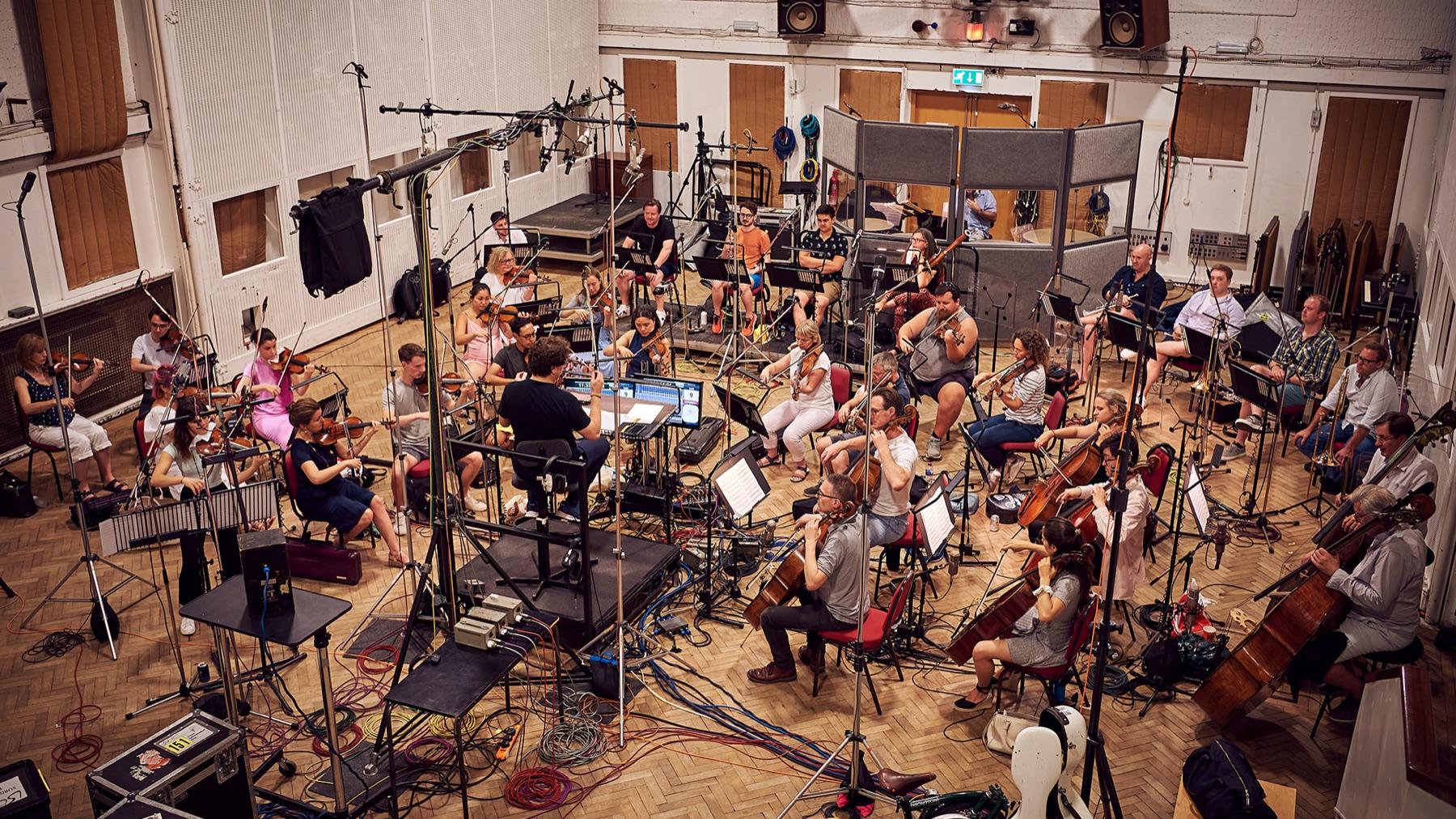
A real orchestra. At Abbey Road. For your video.
Artyfile’s orchestral recordings begin where the great film scores do — real players in a real room. Our flagship is Paul Lorenz’s Violin Concerto No. 2, performed by the London Symphony Orchestra at Abbey Road Studios; the wider catalogue is played by the Artyfile Orchestra, world-class session musicians at studios like Abbey Road. Every recording is then finished with the professional studio craft used on modern film scores. That is the depth and humanity AI-generated music and MIDI-only libraries cannot fake — and, unlike AI tracks, every recording carries clear human authorship and fully documented rights you can license with confidence.
- London Symphony Orchestra
- Abbey Road Studios, London
- Conductor: Donato Cabrera
- 44.1 kHz studio WAV
Listen: Violin Concerto No. 2 — London Symphony Orchestra
Composed by Paul Lorenz, recorded at Abbey Road Studios. Composition and master with one rights holder — a recording no other music library can license.
Violin Concerto No. 2: 1. Moderato Giocoso
London Symphony Orchestra
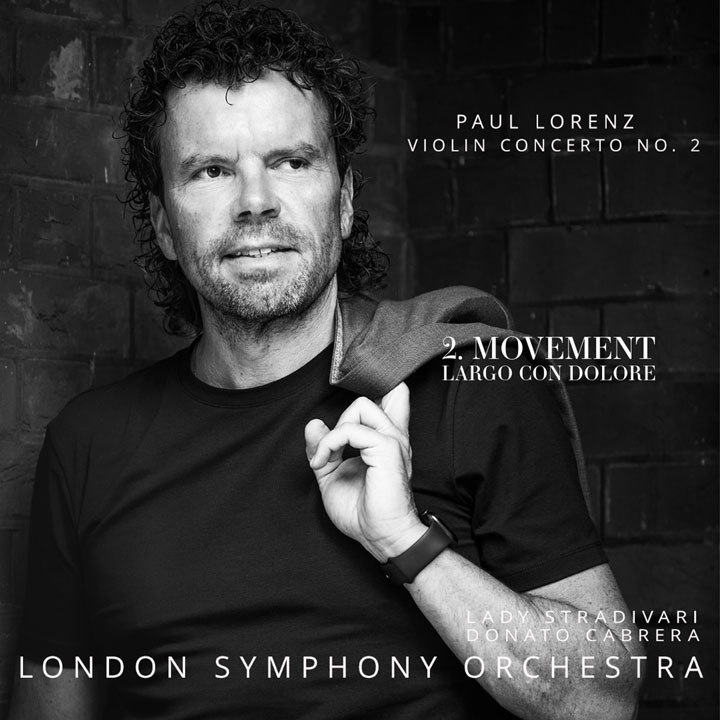
Violin Concerto No. 2: 2. Largo Con Dolore
London Symphony Orchestra
Violin Concerto No. 2: 3. Allegretto con Spirito
London Symphony Orchestra
Instant quote
Calculate your license cost
How many tracks?
Your one-time cost
€29.90
one-time · lifetime · worldwide
What this covers
- ✓Lifetime, worldwide commercial license for 1 track.
- ✓With Basic, music revenue claimed through YouTube Content ID goes to Artyfile. With Limited Edition, you participate according to your master share in this recording’s worldwide Content ID revenue, including other creators’ videos. A claim may appear; it is not a copyright strike. Since 24 September 2026, new YouTube Shorts longer than one minute and up to three minutes with an active Content ID claim are no longer blocked automatically and can stay playable; the claim itself still applies. For Shorts campaigns, contact us before buying; a licence does not automatically release a claim.
- ✓Use across YouTube.
- ✓Sync + master rights cleared together — no additional GEMA or collection-society fees.
Same flat price for every platform and commercial use — no per-use upcharge, no subscription.
What it costs to license music, by use case
| Use case | Artyfile | Typical elsewhere |
|---|---|---|
| YouTube video (monetized) | €29.90 / track · lifetime | Subscription €120–300 / year |
| Instagram, TikTok & CapCut | €29.90 / track · lifetime | Personal-use-only "free" libraries |
| Podcast | €29.90 / track · lifetime | €10–50 / track or subscription |
| Client / corporate video | €29.90 / track · lifetime | €50–500 / track |
| TV commercial / advertising | €29.90 / track · lifetime | €10,000–500,000 for known songs |
| Film / festival | €29.90 / track · lifetime | Per-project quote |
One flat price for every use and platform. Sync + master rights cleared together, worldwide and for life — no GEMA upcharge, no renewals.
Artyfile vs subscription libraries vs sync houses
| Artyfile | Artlist / Epidemic | Musicbed / Songtradr | |
|---|---|---|---|
| Price | One-time €29.90 / track | €120–300 / year, recurring | Per-project quote |
| Keep rights if you stop paying | Yes — forever | No — revoked | Varies |
| Recording | Real LSO / Abbey Road | Mostly MIDI / library | Famous songs |
| Extra GEMA / society fees | None | Often unclear | Separate |
| YouTube | Monetize claim possible — no strike | Varies | Varies |
| Ownership option | Yes (Limited Edition) | No | No |
Why Artyfile
Real Orchestras, Not AI
Recorded with real orchestras — including the London Symphony Orchestra at Abbey Road — and produced to film-score standard, never AI-generated stock.
Fully Cleared
Sync & master rights managed directly by Artyfile, for life & worldwide. No extra GEMA fees, YouTube Content ID rules apply.
Beyond Licensing
With Limited Edition you own a share of the master and earn streaming & sync royalties.
Instant Download
Studio-grade 44.1 kHz WAV, the moment you buy. No subscription.
Frequently asked questions
Is classical music royalty-free?
The old compositions are public domain, but the recordings of them are not — a “free” classical MP3 can still trigger a third-party Content ID claim. Artyfile's recordings are royalty-free in the real sense: one payment from €29.90 buys a lifetime, worldwide sync and master licence on our own recordings, with no recurring fees. Artyfile registers them in Content ID with a monetization policy, so a claim may appear — it is never a copyright strike.
Is classical music in the public domain?
The compositions usually are: in the EU and UK a musical work enters the public domain 70 years after its composer's death, so Mozart, Bach, Beethoven or Tchaikovsky are free to perform. Every recording, however, is a new protected work of its performers and producer, so you still need a licence for the specific recording you put in your video. Artyfile licenses its own real-orchestra recordings from €29.90 once, worldwide and for life.
Can I use classical music in my YouTube videos and commercials?
Yes — if you license the recording. The composition may be public domain, but the performance you hear is copyrighted. Artyfile licenses its own real-orchestra recordings with sync and master rights cleared, registered in Content ID with a monetize policy: a claim may appear, but it is not a copyright strike and your video stays online — cleared for YouTube, TV, streaming and paid ads, worldwide and for life.
Where can I find royalty-free classical music for commercial use?
At Artyfile: every classical track is licensed once from €29.90 per track for commercial use in film, advertising, TV, streaming and social media, worldwide and for life, with no recurring fees. Artyfile's orchestral catalog is recorded by world-class ensembles and musicians at world-class studios like Abbey Road Studios — real recordings, not AI-generated stock or a MIDI-only library — and each purchase comes with a licence certificate.
What does it cost to license a classical track for a commercial or broadcast?
Artyfile Basic is a one-time €29.90 per track with lifetime, worldwide sync rights for film, advertising, social and broadcast — no subscription and no per-project quote. A single broadcast cue from a traditional library or sync house often runs €95–160 or far more; Artyfile’s flat one-time licence undercuts that and is yours to keep, with a licence certificate included. Some premium recordings carry individual pricing shown on the track.
How is Artyfile different from a subscription library like Epidemic or Artlist?
A subscription only rents you music: it clears your videos while you pay, and if you cancel, new uploads lose their cover — the licence was never yours. Artyfile is a one-time €29.90 licence you keep for life, worldwide, with a licence certificate as proof — and with a Limited Edition (€69.90 per 1% master share) you can even own a share of the master and share in its revenue, which is not guaranteed and may be zero.
Do I have to pay GEMA fees?
No additional ones. Sync and master rights are managed directly by Artyfile, so there are no extra GEMA or collection-society fees on your licence. The catalogue is registered with GEMA for worldwide monitoring, but the licensing runs directly through Artyfile — and a live public performance stays a normal, separate matter the venue or organiser settles, as with any music.
Is the music AI-generated?
No. Every track is performed by real musicians and curated by composer and conductor Paul Lorenz, who has worked with the London Symphony Orchestra. Unlike AI-generated stock (Suno, Udio) or a MIDI-only library, the recordings have clear human authorship and fully documented rights, which is what makes them safe to license commercially.