
Licensed for games · Unlimited copies, any engine · Buy once from €29.90
Music for Video Games — Licensed Once, Cleared Forever
Real, studio-recorded music your game can ship with — licensed once for €29.90 per track, perpetual and worldwide, in unlimited copies, on any engine and any store. Video games are named in the license itself, so there is no Enterprise tier to negotiate, no copy cap to outgrow and no subscription that lapses while your game keeps selling. Pick the scene you’re scoring in the matcher above, preview the track, and own the license forever — with the option to own a share of the master itself.
Curated by Paul Lorenz — composer, arranger & conductor · his Violin Concerto No. 2 recorded by the London Symphony Orchestra at Abbey Road Studios · Vienna State Opera
500M+ streams · Gold & Double Platinum · Instant download · Lifetime worldwide license
Music for Video Games — Licensed Once, Cleared Forever: hand-picked & sync-ready
Listen, then license: €29.90 per track, one-time · worldwide, for life · instant WAV download



The Person Behind the Platform

Paul Lorenz
Founder & CEO · Composer
“I spent 30 years inside the music industry — Abbey Road, the London Symphony Orchestra, the major labels — and watched composers get paid fractions of their worth. Artyfile is the platform I wished existed: investment-grade music, owned outright, with composers who finally share in the upside.”
- 30 years in music — over 500 million streams across his catalog
- Collaborations with Universal Music, Sony Music & Warner
- Composes for the London Symphony Orchestra — his Violin Concerto No. 2 recorded at Abbey Road Studios
- Founder-owned: a named composer behind the catalog, not an anonymous library
Game scene matcher · pick your moment
What music does your game scene need?
Game music is picked per scene, not per game. Choose the moment you’re scoring and we’ll match the mood, energy and loop length — then find the track below.
Boss battle
Mood & instruments
Epic orchestral or hybrid, percussive, driving
Energy
High
Loop & length tip
A 60–90 s loop with clear phrase points; let percussion carry the repeat so the seam disappears.
Why it works
The highest-stakes moment in your game — a really recorded, cinematic score carries drama a thin preset can’t.
The game music cheat-sheet — best mood and loop length by scene
| What are you scoring? | Mood & instruments | Energy | Loop & length tip |
|---|---|---|---|
| Main menu / title screen | Thematic, atmospheric, identity-setting | Low–medium | A ~30–60 s loop is plenty — players don’t linger. Cut the loop at a clear phrase boundary so it never “hiccups”. |
| Exploration / open world | Ambient, evolving textures, understated | Low | Longer 1–2 min beds resist ear fatigue — players hear this loop for hours, so less melody survives longer. |
| Boss battle | Epic orchestral or hybrid, percussive, driving | High | A 60–90 s loop with clear phrase points; let percussion carry the repeat so the seam disappears. |
| Combat / action sequence | Driving, rhythmic, relentless | High | 60–90 s, cut at the phrase; keep the melodic content lean so repetition reads as intensity, not annoyance. |
| Emotional story beat / cutscene | Piano, strings, intimate and expressive | Low | Often plays once, not looped — choose a piece with a full arc and let the scene breathe with it. |
| Horror / tension | Dark ambient, dissonant, textural | Very low, creeping | Long seamless beds with no obvious pulse — the loop point should be genuinely impossible to hear. |
| Cozy / casual / sim | Warm acoustic, gentle jazz, soft electronic | Low–medium | Friendly 1–2 min loops that stay pleasant on the hundredth listen — this is where players live. |
| Victory / level clear | Bright, triumphant, resolved | Short burst | Not a loop — use a short cue or a track’s finale as punctuation, then return to the gameplay bed. |
| Launch trailer / store page | Cinematic build with a clear climax | Low → high arc | Edit to your cut: quiet intro → build → land the drop on the title card. One track, one arc. |
The perpetual license, answered
How much does a perpetual music license for a video game cost?
At Artyfile: €29.90 per track — one payment, perpetual, worldwide.
That is the whole price. No subscription, no per-copy royalties, no budget tiers, no renewal date. The license explicitly covers video games, in unlimited copies, on every platform, in perpetuity — so the question a shipped game keeps asking (“are we still cleared?”) is answered once, forever.
What the same track costs elsewhere
Per-track sync quote (indie game)
≈ $500–$2,000 per track
Negotiated per deal; scope, term and territory all cost extra.
Commissioned game composer
≈ $200–$1,000 per minute of music
The right call for a bespoke full score — with the budget and lead time to match.
Subscription library
Games gated to custom Enterprise deals
The creator tiers you can actually buy typically don’t cover in-game use at all.
Stock-marketplace license
Capped by copies or game budget
A typical standard cap is 10,000 copies; past it, you owe an extended license per track.
Artyfile Basic
€29.90 flat, perpetual
Unlimited copies, any engine, trailer + DLC + sequels included. Yours for life.
A game is not a video — why “perpetual” is the whole question
Subscription licenses are written around a publish event: content published while you pay stays cleared. A game doesn’t publish once — it keeps selling on Steam, updating, getting bundled and resurfacing for years, and every new install is a fresh act of distribution the terms were never written for. That gap is not theoretical:
In 2017, Alan Wake — a major, acclaimed title — was pulled from digital stores worldwide for over a year because its licensed music expired. It only returned after the publisher renegotiated the music rights. A perpetual buyout is how you make that scenario impossible for your game.
The six license facts a developer actually checks
Games named in the license
Video games are explicitly a permitted use (§8.1) — not an interpretation, a listed clause you can show a publisher.
No copy or budget caps
Worldwide, perpetual, all known and future media formats (§8.2). Ten copies or ten million — same license, same price.
Any engine, any store
Unity, Unreal, Godot, RPG Maker or your own tech — the license is engine- and platform-agnostic, so switching engines never voids it.
Updates, DLC & your next game
One license covers unlimited own and client projects (§8.3) — patches, DLC, sequels and the launch trailer included.
No credit required
Attribution is appreciated but not mandatory (§13.4) — no license text to ship in your credits screen unless you want to.
Uncompressed WAV, loop-ready
44.1 kHz WAV downloads — cut clean, gapless loops in your engine or DAW. (The MP3 encoder gap is why stock music “hiccups” at the loop point.)
How much does it cost to license music for a video game?
At Artyfile, €29.90 per track — one payment for a perpetual, worldwide license that explicitly covers video games, in unlimited copies, with the launch trailer, store page, updates, DLC and your future games included. For context: a negotiated per-track sync deal for an indie game commonly runs several hundred to a couple of thousand dollars, a commissioned composer typically charges a few hundred dollars per finished minute, and the big subscription libraries don’t cover in-game use on their normal creator tiers at all — game and app rights sit in their custom Enterprise deals. A flat, published price that already includes games is the exception in this market, not the rule.
A game is not a video: why “perpetual” is the whole question
Subscription music terms are written around a publish event — content published while you pay stays cleared. A game never has that moment: it keeps selling on Steam, updating, getting bundled and resurfacing in sales for years, and every new install is a fresh act of distribution. That gap is not theoretical. In 2017, Alan Wake — a major, acclaimed title — was pulled from digital stores worldwide for over a year because its licensed music expired, and it only returned once the publisher renegotiated the rights. A perpetual licence closes that scenario permanently: your build ships with its music cleared, and nothing about that changes when a subscription ends, a price tier changes or a catalog is sold.
What the license covers for game developers
The Artyfile license names video games directly among its permitted uses — not as an interpretation, but as a listed clause you can show a publisher or a platform review. It is worldwide, perpetual and covers all known and future media formats, so ten copies or ten million cost the same €29.90. It is engine-agnostic — Unity, Unreal, Godot, RPG Maker or your own tech — and it is not tied to a single project: one license covers unlimited own and client projects, which means your patches, DLC, sequels and the trailer are already included, and studios building for a client or publisher are covered too. Credit is appreciated but not required, and because it is a one-time purchase rather than a service, there is no account to keep alive for your game to stay legal.
Will streamers and let's-players get muted or struck?
This is the question that decides music for many devs — games ship “streamer modes” precisely because licensed commercial songs get let's-plays claimed and VODs muted. Artyfile music is original recordings with sync and master rights administered in one place, and Artyfile registers its catalog in YouTube Content ID with a monetization policy. So on YouTube a stream of your game may receive a claim: the ad revenue claimed for the music goes to Artyfile, but it is not a copyright strike and the video stays online. And there’s an honest flip side worth knowing: with Limited Edition you can own a share of the track’s master, which puts you on the earning side of that worldwide pool (pro rata, not guaranteed) — the more your game is streamed, the more the theme you own is heard.
Music libraries for video games, compared
The market splits four ways. Subscription libraries are cheap per month but gate games and apps behind custom Enterprise pricing, and their clearance is tied to your subscription, not your game’s life. Stock marketplaces sell per-track licenses that cap copies (10,000 is a typical standard cap) or your game’s budget, and treat each game — and each sequel — as a separate application. Free and Creative-Commons catalogs carry attribution duties, per-track license variance and the documented risk of a catalog changing hands and being claimed retroactively. And commissioning a composer is the right call for a bespoke full score, at bespoke cost and lead time. Artyfile’s lane is the one none of them occupy: a flat €29.90 perpetual licence that already includes games — the full comparison table is below, and for a written-to-brief score our custom music service quotes bespoke work. New to the legal side? Our developer’s guide to video game music licensing walks through the two rights, the real costs and the five license traps step by step.
Real recordings for trailers, boss themes and story beats
Most of a game’s soundtrack lives quietly under gameplay — ambient exploration beds, cozy loops, tension textures, driving electronic combat — and our catalog covers those. But the moments that sell a game are the ones players feel: the launch trailer, the boss theme, the story beat that lands. That is where really recorded music — real strings, real brass, real players; Artyfile's orchestral catalog is recorded by world-class ensembles and musicians at world-class studios like Abbey Road Studios — reads instantly as production value that a thin preset can’t fake. It’s the AAA-adjacent sound on an indie budget: browse cinematic and epic music for trailers and bosses, or trailer music for the store-page cut.
Loop-ready, uncompressed WAV
Every purchase downloads as uncompressed 44.1 kHz WAV — the format you actually want in an engine. The classic complaint about stock music in games (“it hiccups at the loop point”) is usually the MP3 encoder gap: MP3 adds a sliver of silence at the start of every file, which is exactly what you hear when a loop wraps. WAV has no encoder gap, so you can cut clean, gapless loops at phrase boundaries in your DAW or middleware. The scene matcher above includes loop-length conventions per scene — around 30–60 seconds for menus, 60–90 seconds for combat, longer evolving beds for exploration.
License it — or own your game's theme
A game’s main theme becomes its identity — players wishlist to it, streamers broadcast it, the OST playlist carries it for years. With Artyfile you can go one step beyond licensing: Limited Edition makes you the owner of a share of the master recording itself (€69.90 per 1% share), earning a pro-rata cut of streaming, sync and the worldwide YouTube Content ID pool whenever the track is used — by anyone, including every stream of your own game. Earnings depend on real usage, are never guaranteed and may be zero — Limited Edition is not an investment product — but the principle is simple: instead of renting your game’s identity, own a piece of it. See pricing & licenses for both tiers.
Can you ship it? Game music, by how your game is distributed
A game is not a video: it keeps selling, updating and being streamed for years after "publish". Here is where each music source actually covers a shipped game — and where the fine print breaks.
| How you ship it | Subscription library | Stock-marketplace license | “Free” / Creative Commons | Artyfile — buy once |
|---|---|---|---|---|
| Paid game (Steam / console / mobile) | The major libraries gate games and apps behind custom Enterprise deals — the standard creator tiers you’d actually buy don’t cover in-game use. Check the tier fine print before you ship. | Standard tiers commonly cap copies (10,000 is a typical standard-license cap) or your game’s budget — past the cap you owe an extended license per track, per game. | License terms vary per track, attribution is usually required, and a track’s license can change after your game ships — your build is frozen, the terms aren’t. | Video games are explicitly a permitted use in the license (§8.1) — unlimited copies, worldwide, perpetual, any engine. €29.90 once. |
| Free game with ads or in-app purchases | Free-to-play is still commercial use — the same Enterprise gate applies even when the download is free. | Caps count copies and downloads, not what you charge — a viral free game blows through a 10,000-copy cap just as fast. | “Non-commercial” clauses bite the moment you add ads, IAP or sponsorships — many CC tracks stop being usable exactly when your game starts earning. | Commercial use is included — ads, in-app purchases and sponsorships covered by the same flat license. |
| Launch trailer & store page | A trailer published while subscribed is typically covered — but the coverage is tied to your subscription, not to your game’s life on the store. | Advertising/promo use is often a separate license class from the in-game license — two purchases for one track. | A Content-ID claim on your own launch trailer hits exactly when visibility matters most. | The same license covers the game, the trailer, the store page and your socials — one purchase, every surface. |
| Players stream your game (Twitch / YouTube) | Some libraries market streamer-safety — on the tiers that cover games at all. Verify what your actual plan promises third-party streamers. | Many marketplace tracks are separately registered in Content ID by their creators — your players inherit a claim risk you never see in the license PDF. | “No copyright” catalogs have been bought out and their tracks claimed retroactively — the risk lands on every let’s-play of your game. | Original recordings with sync + master rights in one place: a stream of your game is subject to YouTube Content ID rules. At most, a monetized video can see a revenue-share claim — never a strike. |
| Updates, DLC & sequels | New builds and new uses after your subscription lapses aren’t cleared — and a game that keeps selling was never the “publish once” case the terms were written for. | Single-application licenses cover one end product — a sequel or a spin-off usually means buying the license again. | The license you screenshot today may not be the license next year; there’s no contract holding it in place. | Perpetual and not tied to one project: updates, DLC and your next game are covered by the same unlimited-projects license (§8.3). |
| Studio work for a client or publisher | Client work is typically excluded from the cheaper creator tiers — you’re pushed to a business plan before the game question even comes up. | Transfer and sublicensing rules are murky — a publisher’s legal review wants a clean, documented chain of rights. | An unclear rights chain is exactly what fails due diligence — “I found it on a free site” doesn’t survive a rights review. | Client and employer projects are explicitly permitted (§8.3); the license stays with the studio, with documented sync + master rights from one source. |
One Artyfile license clears every row — €29.90 once, worldwide, perpetual, unlimited copies, any engine, credit appreciated but not required (§13.4). A subscription clears content published while you pay; a stock license caps copies or budget per application; “free” music leaves your shipped game exposed to license changes and inherited Content-ID claims. (Your game’s soundtrack stays yours to ship — for master ownership and earning, see Limited Edition below.)
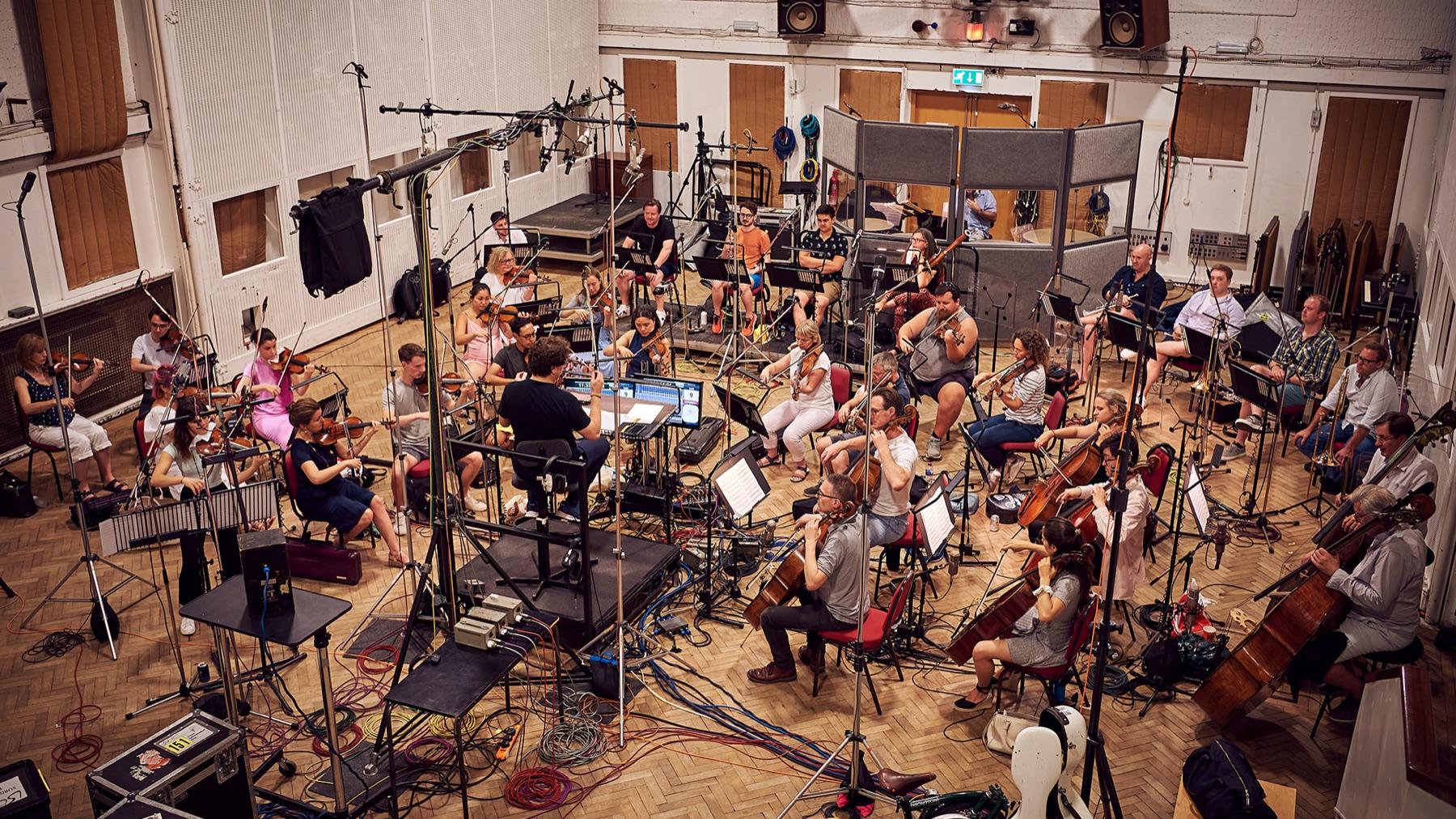
How it's made
A real orchestra. At Abbey Road. For your video.
Artyfile’s orchestral recordings begin where the great film scores do — real players in a real room. Our flagship is Paul Lorenz’s Violin Concerto No. 2, performed by the London Symphony Orchestra at Abbey Road Studios; the wider catalogue is played by the Artyfile Orchestra, world-class session musicians at studios like Abbey Road. Every recording is then finished with the professional studio craft used on modern film scores. That is the depth and humanity AI-generated music and MIDI-only libraries cannot fake — and, unlike AI tracks, every recording carries clear human authorship and fully documented rights you can license with confidence.
- London Symphony Orchestra
- Abbey Road Studios, London
- Conductor: Donato Cabrera
- 44.1 kHz studio WAV
Listen: Violin Concerto No. 2 — London Symphony Orchestra
Composed by Paul Lorenz, recorded at Abbey Road Studios. Composition and master with one rights holder — a recording no other music library can license.
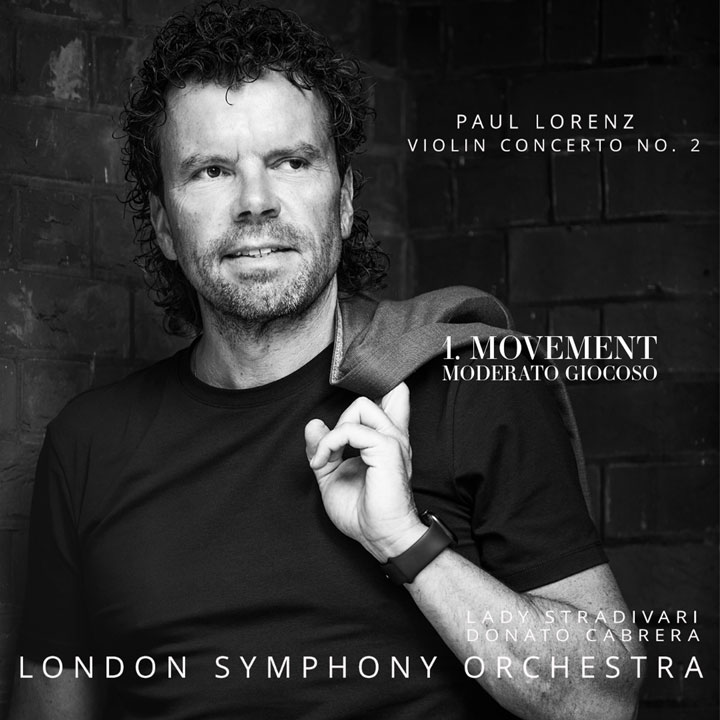
Violin Concerto No. 2: 1. Moderato Giocoso
London Symphony Orchestra
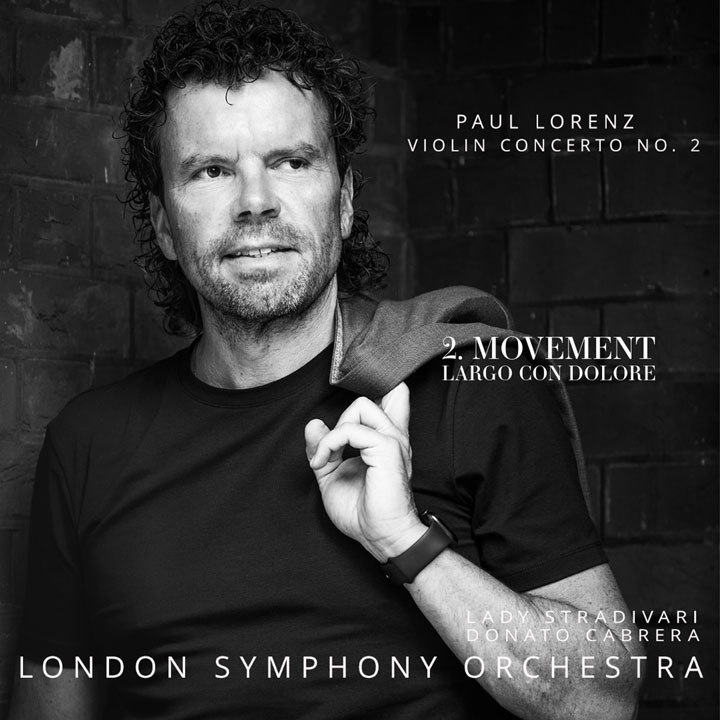
Violin Concerto No. 2: 2. Largo Con Dolore
London Symphony Orchestra
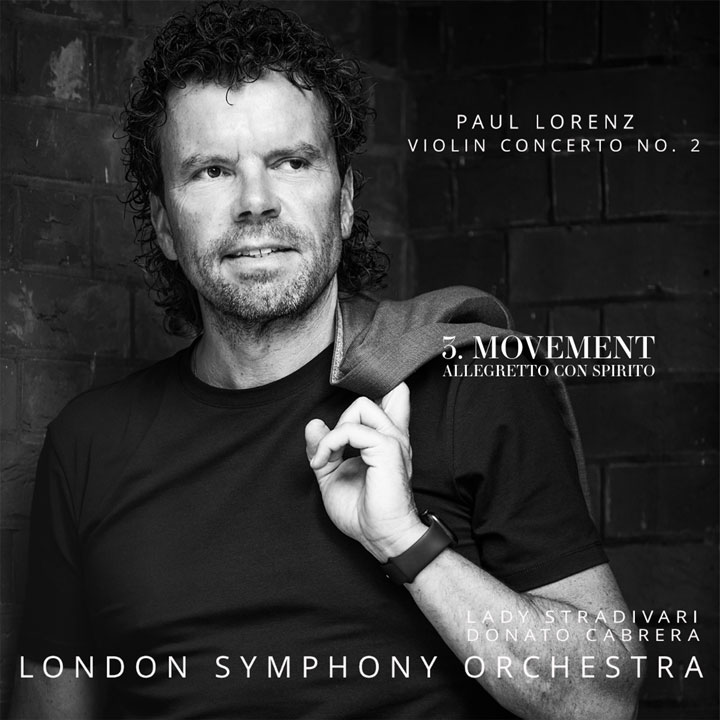
Violin Concerto No. 2: 3. Allegretto con Spirito
London Symphony Orchestra
License it — or own it
License your game’s theme — or own the sound your game is known for and earn
The most-loved games are inseparable from their soundtracks — the main theme becomes the game’s identity. Every other library rents that identity back to you forever. With Artyfile, the theme your game rides on can become an owned asset that earns whenever it’s used again.
License
Artyfile Basic — from €29.90
- Ship it in your game, trailer, store page, DLC and sequels — worldwide, perpetual, unlimited copies
- Sync + master cleared together — no subscription, no per-copy royalties
- You use the music; you don’t earn from it
Own
Artyfile Limited Edition — from €69.90
- Everything in Basic — plus you own a numbered share (1% each, max 20 per master) of the master recording
- Earn a pro-rata share of streaming, sync and the worldwide YouTube Content ID pool — every time the track is used by anyone, anywhere
- Pay once by card in €; resell or transfer the share anytime
Your game will make its theme famous. Own a piece of what you’re building
Every let’s-play, stream and OST playlist of your game grows the reach of its music. On a Basic license, a Content-ID claim on a monetized let’s-play routes that ad revenue to the rights pool; own a share of the master and you’re on the receiving end — the more your game is played and streamed, the more the theme you own is heard. A soundtrack line-item becomes a stake in your own success.
Ownership earnings depend on how often a track is used and are not guaranteed. This is not investment advice. Catalog licenses are non-exclusive; exclusive rights to a track are available only by individual agreement.
Why Artyfile
Real Orchestras, Not AI
Recorded with real orchestras — including the London Symphony Orchestra at Abbey Road — and produced to film-score standard, never AI-generated stock.
Fully Cleared
Sync & master rights managed directly by Artyfile, for life & worldwide. No extra GEMA fees, YouTube Content ID rules apply.
Beyond Licensing
With Limited Edition you own a share of the master and earn streaming & sync royalties.
Instant Download
Studio-grade 44.1 kHz WAV, the moment you buy. No subscription.
Frequently asked questions
How much does a perpetual music license for a video game cost?
€29.90 per track at Artyfile — one payment for a perpetual, worldwide license that explicitly covers video games in unlimited copies, with the trailer, store page, updates, DLC and future games included. There are no copy caps, budget tiers or renewal dates; some premium tracks carry individual pricing.
Can I use Artyfile music in a commercial game on Steam, consoles or mobile?
Yes. Video games are explicitly listed as a permitted use in the license terms (§8.1), for commercial projects, worldwide and in perpetuity — including paid games, free-to-play with ads or in-app purchases, and client or publisher work. That clause is written down, so you can show it to a publisher's legal review.
Is there a limit on how many copies of my game I can sell?
No. The license covers unlimited copies on all known and future media formats, worldwide and perpetually. That's the structural difference from typical stock-marketplace licenses, where a standard tier commonly caps around 10,000 copies and an extended license is due per track beyond it.
Which game engines does the license cover?
All of them. The license is engine- and platform-agnostic — Unity, Unreal, Godot, RPG Maker, a visual-novel engine or your own tech — and switching engines mid-project never voids it. There is no engine-locked edition of the license.
What happens to my shipped game if I stop paying or the service changes?
Nothing — there is no subscription to lapse. An Artyfile license is a one-time perpetual licence: your game ships with its music cleared and stays cleared, through updates, sales, bundles and re-releases. This is exactly the gap that once pulled Alan Wake from stores for over a year when its licensed music expired.
Will my players' streams and let's-plays get Content ID claims?
Artyfile registers its catalog in YouTube Content ID with a monetization policy, so a let's-play on YouTube may receive a claim — it is not a copyright strike, the video stays online, and the ad revenue claimed for the music goes to Artyfile. If you own a share of the track via Limited Edition, you share pro rata in that same worldwide Content ID revenue (not guaranteed, may be zero).
Do I need to credit Artyfile or the composer in my game?
No — attribution is appreciated but not mandatory (§13.4). If you like, the recommended wording is “Music: [Title] by [Composer] — licensed through ARTYFILE (artyfile.com)” in your credits screen, but your license is complete without it.
Can I get exclusive rights to a track for my game?
Catalog licenses are non-exclusive — that's what makes the €29.90 flat price possible. For a flagship or brand-critical theme, an exclusive license or full buyout of an individual recording is available on request as a separate individual agreement (§8.5), and our custom music service can also write an exclusive score to your brief.