
Artyfile Newsletter · 2026-09-15
When the music builds — and the film lands
The hypnotic power of momentum: tracks built on insistent repetition and slow-building tension — and why that structural quality makes them exceptionally effective for advertising, documentary, and br
There's a structural trick behind some of the most effective brand films and documentary sequences you've ever watched: the music doesn't arrive at a climax — it earns one. This week we're looking at tracks built on momentum, repetition, and slow accumulation, and what that architecture does for a cut. Three very different works from this month's most-licensed catalog; one editorial thought worth keeping.
This week from the catalog

The one track where sixteen minutes of single-minded repetition gives an editor a complete dramatic arc — from quiet confidence to overwhelming inevitability — without cutting a single bar.
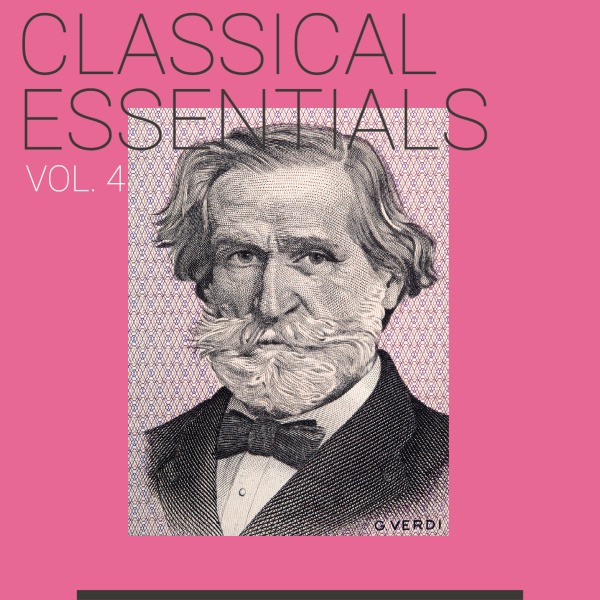
The string texture that makes a 90-second brand film feel like it's been building for a lifetime — a slow, saturated swell that lands hardest in the final eight seconds of silence after it ends.

The brass and organ opening that has been borrowed by product launches for fifty years for a reason: it signals that what follows matters, before a single image has registered.
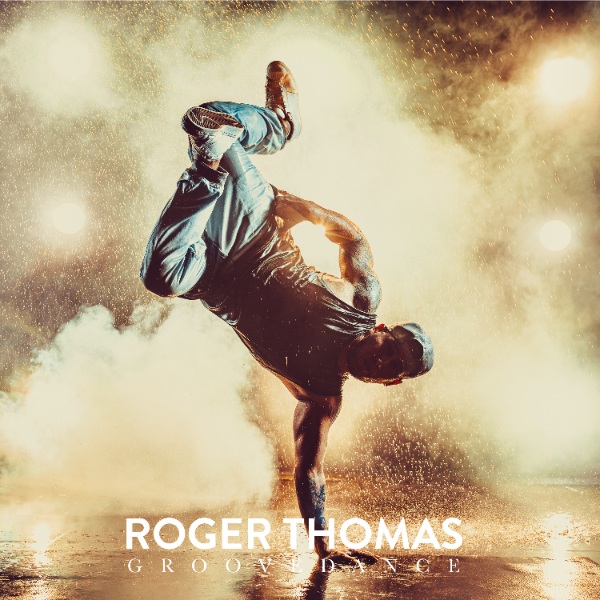
The tight, clean funk groove that carries a fashion or lifestyle cut forward with a confident internal pulse — never flashy, never tired, just perpetually in motion.

The electronic track whose relentless forward drive and sleek low-end make a product-reveal sequence feel like controlled detonation.
The architecture of inevitability: what repetitive structures do that single climaxes can't
Editors and directors often ask for music that "builds." What they usually mean is a track with a loud ending. But the most persuasive music in advertising and documentary doesn't peak — it accumulates. Ravel's Bolero is the canonical example: the same melodic cell repeated over a single unbroken crescendo. There is no surprise. The power comes entirely from the listener knowing exactly what is coming and being unable to resist it. That quality — structural inevitability — transfers directly to film.
The practical implication for licensing is worth noting. A track with strong internal momentum is more forgiving to edit against than a through-composed piece with unpredictable phrase lengths. You can cut early and the music reads as truncated intensity. You can run long and it reads as deliberate weight. Either way, the track is doing structural work for you — which is why the same Bolero license gets used across a brand film, a documentary chapter opener, and a social teaser with entirely different cut points.
With a one-time sync licence from Artyfile, that flexibility costs you €29.90, once. There are no per-use fees, no renewal dates, no territory restrictions buried in the small print. Sync rights are managed directly by Artyfile — no additional collection-society fees apply to your licence. The track is yours to cut against in any version of the project, for its full commercial life. For agencies running a campaign across broadcast, digital, and paid social simultaneously, that single certificate covers it all — and holds up in an audit.
Worth reading
Artlist vs Epidemic Sound vs Artyfile — 2026 ComparisonArtlist ~$199/year. Epidemic Sound ~$192/year. Artyfile €29.90 once per track. We ran the numbers across a realistic agency workflow — the result may surprise you.